For anyone spending significant time at a desk, the constant rolling and shifting of an office chair can take a toll on both your flooring and your body. A Desk Chair Roller Mat—often simply called a chair mat—is an indispensable accessory designed to safeguard your floors, enhance your comfort, and streamline your workflow. With over a decade of experience in office furniture and accessories, I’ve seen firsthand how the right mat can transform a workspace, extending the life of your flooring and improving your daily experience. Let’s dive into the world of desk chair roller mats and discover how to choose the perfect one for your needs.
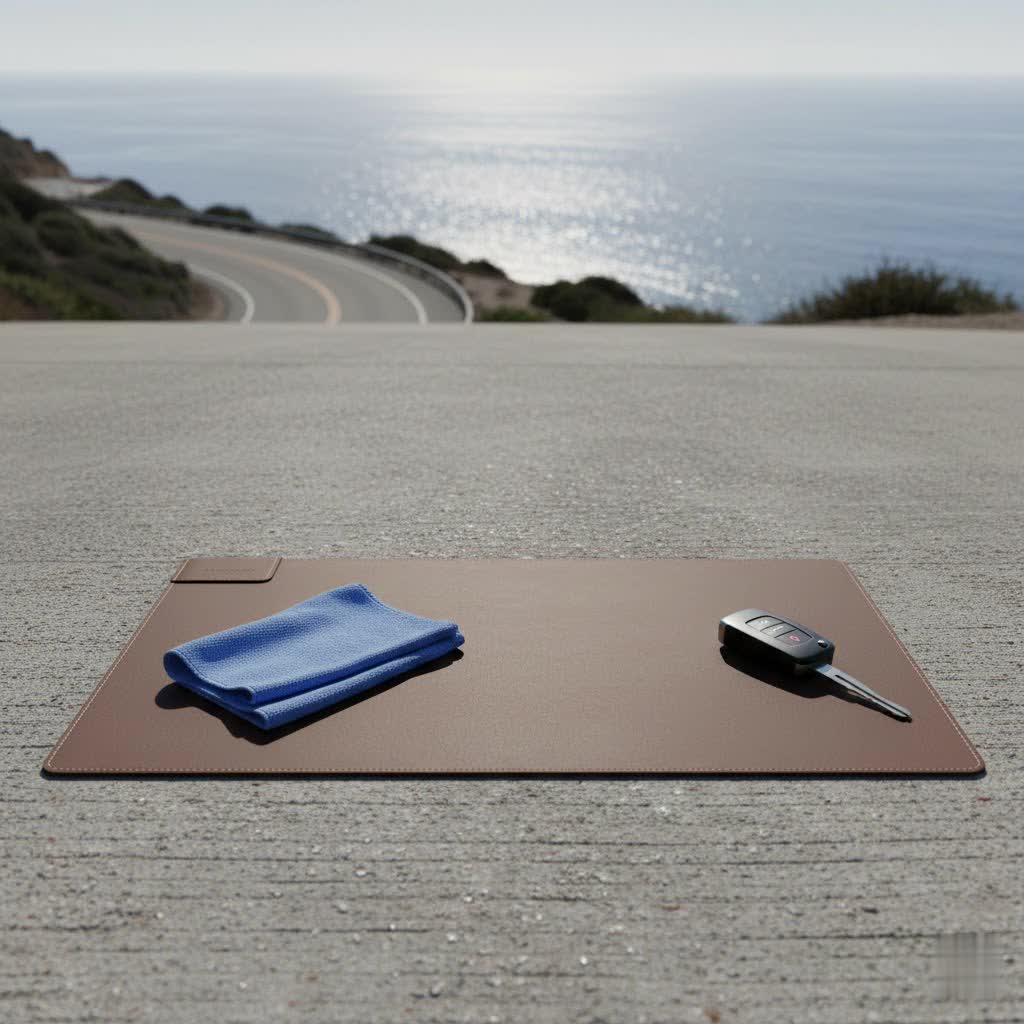
What is a Desk Chair Roller Mat and Why Your Workspace Needs One?
A desk chair roller mat is a protective barrier placed on the floor beneath an office chair with casters (wheels). Its primary function is to shield your flooring from the wear and tear caused by frequent chair movement, but its benefits extend far beyond simple protection. These mats provide a smooth, stable surface that allows your chair to glide effortlessly, reducing the strain on your body and improving overall mobility.
The constant friction and pressure from chair wheels can lead to unsightly damage over time, including scratches on hardwood, scuffs on laminate, and permanent indentations or flattened fibers on carpets. A quality roller mat acts as a buffer, absorbing this impact and preventing costly repairs or premature floor replacement. Beyond preservation, mats offer ergonomic advantages by facilitating smoother movement, which can reduce lower back and leg strain, promoting better posture and comfort throughout your workday. They also contribute to a quieter environment by dampening the noise of rolling wheels.
Common types of roller mats are typically categorized by their material, each offering distinct advantages tailored to different floor types and usage patterns.
Choosing the Right Material for Your Desk Chair Roller Mat
The material of your desk chair roller mat is crucial, as it dictates durability, performance, and suitability for specific floor types.
PVC/Vinyl Chair Mats
PVC (Polyvinyl Chloride) or vinyl mats are often the most budget-friendly option. They are lightweight, flexible, and generally easy to clean, making them a popular choice for light-use home offices or temporary setups.
- Pros: Cost-effective, water-resistant, and simple to wipe clean. Many clear vinyl mats allow your existing flooring to show through, maintaining your room’s aesthetic.
- Cons: Less durable than other materials, PVC mats are prone to cracking, curling at the edges, and yellowing over time, especially with heavy use. They can also trap debris underneath, potentially scratching hard floors if not cleaned regularly. Some cheaper options may emit an unpleasant “off-gassing” odor.
- Care: Typically requires only a quick wipe down with a damp cloth. Avoid harsh chemical cleaners that can degrade the material.
|
Our Picks for the Best Desk Mat in 2026
As an Amazon Associate I earn from qualifying purchases.
|
||
| Num | Product | Action |
|---|---|---|
| 1 | Desk Pad Blotter,Wolaile 36x17 in Large PU Leather Mouse Pad,Waterproof Non-Slip Writing Desktop Protector Mat,Office Desk Accessory,Brown |

|
| 2 | Aothia Non-Slip Waterproof PU Leather Desk Pad Protector for Mouse, Writing Desk, Office, Home, Laptop Blotter, 23.6" x 13.7", Black |
|
| 3 | Premium Gaming Mouse Pad, Double-Sided PU Leather Stitched Edge Large Desk Pad 17.7x35.4 Inch, Waterproof Desk Protector for Home Office Gaming |
|
| 4 | QIYI Large Mouse Pad, Cute Pink Desk Mat for Desktop, Women Girls PU Leather Desk Pad Waterproof Gaming Mousepad, Rose Gold Marble Computer Protector Writing Pad for School Office Home 31.5" x 15.7" |
|
| 5 | POUT TekDec Mat – Vegan Leather Desk Pad (31.5×13.4in / 80×34cm), Water-Resistant Surface, Anti-Slip Base, Scratch & Heat Protection, Multi-Functional Writing & Mouse Pad – Danish Black |
|
| 6 | YSAGi Leather Office Desk Pad Protector, Large Mouse Pad, Non-Slip, PU Leather, Laptop Desk Blotter, Waterproof Writing Pad for Office and Home, Black, 23.6" x 13.8" |
|
| 7 | YSAGi Leather Desk Pad Protector, Office Desk Mat, Large Mouse Pad, Non-Slip PU Leather Desk Blotter, Waterproof Laptop Desk Writing Pad for Office and Home (23.6" x 13.8", Eggshell) |
|
| 8 | Aothia Leather Office Desk Pad Protector, Non-Slip PU Leather Desk Blotter, Waterproof Laptop Writing Mouse Pad for Office and Home, Black, 31.5" x 15.7" |
|
| 9 | Logitech Desk Mat - Studio Series, Multifunctional Large Desk Pad, Extended Mouse Mat, Office Desk Protector with Anti-Slip Base, Spill-Resistant Durable Design, in Mid-Grey |
|
| 10 | Felt Desk Mat - Computer Mat for Desk(36x12Inches) - Large Felt Mouse Pad and Keyboard Mat - Desk Protector for Office - Dark Gray |
|
Polycarbonate Chair Mats
Polycarbonate mats offer a significant upgrade in durability and performance compared to PVC. This robust thermoplastic is known for its strength and resistance to cracking, providing a more stable and long-lasting surface.
- Pros: More durable and rigid than PVC, making them less likely to crack, dent, or curl. They maintain their clarity longer and provide a consistently smooth rolling surface. Polycarbonate mats are often a good choice for various carpet piles, with studded options available for better grip.
- Cons: Generally more expensive than PVC mats.
- Care: Easy to clean with a damp cloth or mild cleaner. Their inherent durability means less concern about everyday wear.
Tempered Glass Chair Mats
For those seeking the ultimate in durability, aesthetics, and performance, tempered glass chair mats are the premium choice. Made from ultra-strong safety glass, these mats are virtually indestructible in normal office use.
- Pros: Unmatched durability, scratch-resistant, dent-proof, and will never crack, yellow, or curl. They provide an incredibly smooth surface for effortless chair movement and offer a high-end, nearly invisible aesthetic that allows your flooring’s natural beauty to shine through. Glass mats are also very easy to clean and maintain.
- Cons: The highest initial cost and significantly heavier than plastic alternatives, which can make them less convenient to move.
- Care: A simple wipe with glass cleaner or a damp cloth is usually sufficient. They are designed to last a lifetime with minimal maintenance.
Fabric/Rugged Chair Mats
Fabric or “rugged” chair mats combine the functionality of a mat with the aesthetic appeal of a decorative rug. These typically feature a woven polyester or jacquard surface bonded to a durable, often PVC or rubber, core or backing.
- Pros: Highly versatile in terms of design, color, and pattern, allowing them to complement any interior decor. They can add a layer of comfort and warmth to a workspace. Many come with anti-slip backings for stability.
- Cons: More prone to collecting dust, dirt, and debris than hard-surface mats, making them potentially harder to clean thoroughly. While offering some protection, the rolling surface might not be as consistently smooth as rigid plastic or glass, and very heavy chairs might still create slight indentations over time.
- Care: Regular vacuuming is necessary to remove debris. Spot cleaning with appropriate fabric cleaners is recommended for spills.
Desk Chair Roller Mat Comparison Table
| Material | Pros | Cons | Cost | Durability | Best for |
|---|---|---|---|---|---|
| PVC/Vinyl | Affordable, water-resistant, easy to clean | Less durable, prone to cracking, curling, yellowing, debris | Low | Low-Medium | Light home office use, budget-conscious individuals |
| Polycarbonate | More durable, crack-resistant, good clarity | Higher cost than PVC, still susceptible to dents over time | Medium | Medium-High | Moderate to heavy use, various carpet types, good balance |
| Tempered Glass | Extremely durable, scratch/dent-proof, clear | High initial cost, heavy, not easily moved | High | Very High | Heavy daily use, premium aesthetics, lifetime investment |
| Fabric/Rugged | Aesthetic appeal, diverse designs, added comfort | Collects debris, harder to deep clean, less smooth roll | Medium | Medium | Stylish home offices, light to moderate use, unique decor |
How to Select the Perfect Desk Chair Roller Mat
Choosing the right mat involves assessing several factors to ensure it meets your specific needs and provides optimal protection and comfort.
- Assess Your Flooring Type: This is the most critical factor. For hard floors (hardwood, laminate, tile), you need a mat with a smooth, non-slip backing to prevent scratches and provide stability. For carpeted floors, mats require studs or cleats on the underside to grip the carpet fibers and prevent the mat from shifting. The thickness and stud length often vary by carpet pile (low, medium, high).
- Consider Your Usage Frequency and Intensity: If you spend long hours at your desk and move your chair frequently, investing in a more durable material like polycarbonate or tempered glass will offer better long-term value and performance. For lighter, occasional use, a quality PVC mat might suffice.
- Determine Your Budget: While cheaper mats offer an immediate saving, they often require replacement sooner. Consider the long-term cost-effectiveness: a high-quality mat may have a higher upfront price but can save you money on floor repairs and frequent replacements.
- Match Size and Shape: Measure your workspace to ensure the mat provides adequate rolling space. Most mats come in standard rectangular shapes, often with a “lip” that extends under the desk for added protection when your chair is fully tucked in.
- Prioritize Aesthetics: Do you want a clear mat that blends seamlessly with your existing floor, or a patterned one that adds a decorative touch to your office? Tempered glass offers superior transparency, while fabric mats provide endless design possibilities.
- Check for Safety and Eco-friendliness: Look for mats that are BPA-free, phthalate-free, or made from recycled materials if environmental concerns are important to you. Ensure any mat for hard floors has an effective anti-slip feature to prevent accidents.
Essential Tips for Using and Maintaining Your Desk Chair Roller Mat
To maximize the lifespan and effectiveness of your desk chair roller mat, proper usage and regular maintenance are key.
- Regular Cleaning is Crucial: For hard mats, frequently wipe down both the top and underside to remove dust, dirt, and debris. For carpet mats, vacuum the surface regularly. This prevents particles from accumulating and potentially scratching your floor (especially under plastic mats on hardwood) or hindering your chair’s movement.
- Follow Material-Specific Care: Always adhere to the manufacturer’s cleaning guidelines. While most hard mats can be cleaned with a damp cloth, some materials may react negatively to harsh chemicals. Fabric mats might require spot cleaning or professional carpet cleaning.
- Ensure Proper Placement: Position your mat so that your primary rolling area is fully covered. If your mat has a “lip,” ensure it extends under your desk to protect the area where your chair wheels rest when pushed in.
- Avoid Direct Sunlight and Extreme Temperatures: Prolonged exposure to direct sunlight can cause some plastic mats to yellow, crack, or warp. Extreme temperature fluctuations can also affect the material’s integrity.
- Inspect for Wear and Damage: Periodically check your mat for signs of cracking, severe indentations, or curling edges. A damaged mat can become a tripping hazard or lose its effectiveness in protecting your floor. Replace it when significant wear becomes apparent.
Conclusion
A desk chair roller mat is far more than just a floor covering; it’s a strategic investment in the longevity of your flooring and your personal well-being. By providing a smooth, protected surface for your office chair, it prevents costly floor damage, enhances ergonomic comfort, and promotes a more productive work environment. Whether you opt for the robust durability of tempered glass, the balanced performance of polycarbonate, or the economic practicality of PVC, choosing the right mat tailored to your specific floor type and usage ensures a seamless and efficient workspace for years to come.
What kind of transformation do you envision for your workspace with the perfect desk chair roller mat?
Frequently Asked Questions
What are the most common sizes for desk chair roller mats?
Desk chair roller mats typically come in standard rectangular or L-shaped designs. Common rectangular sizes range from 30×48 inches for compact spaces to 48×60 inches or larger for extensive rolling areas. L-shaped mats are ideal for corner desks. The best size depends on how much you move your chair while performing daily tasks at your desk.
Can I use a desk chair roller mat on both hard floors and carpets?
While some mats are marketed as “universal,” it’s generally best to choose a mat specifically designed for your floor type. Mats for hard floors have a smooth backing to prevent scratches, whereas mats for carpets feature studs or cleats on the underside to grip the carpet fibers and prevent slipping. Using the wrong type can reduce effectiveness or potentially damage your floor.
How do I prevent my desk chair roller mat from sliding on hard floors?
For hard floors, look for mats with a smooth, non-slip backing or an anti-slip coating applied during manufacturing. Ensuring the floor underneath is thoroughly clean and dry before placing the mat can significantly improve grip. Heavier options like tempered glass mats naturally resist sliding due to their weight. Regular cleaning of both the mat and the floor can also prevent slippage caused by dust build-up.
