Is your computer desk looking a little worse for wear? Perhaps you’re tired of scratches, spills, or an uninspiring surface that doesn’t quite match your professional or creative vibe. For anyone spending significant time at their computer, a desk mat is more than just an accessory; it’s a foundational element for comfort, protection, and productivity. This comprehensive guide will help you navigate the world of desk mats, ensuring you find the ideal one to transform your computer setup into a functional and aesthetically pleasing hub.
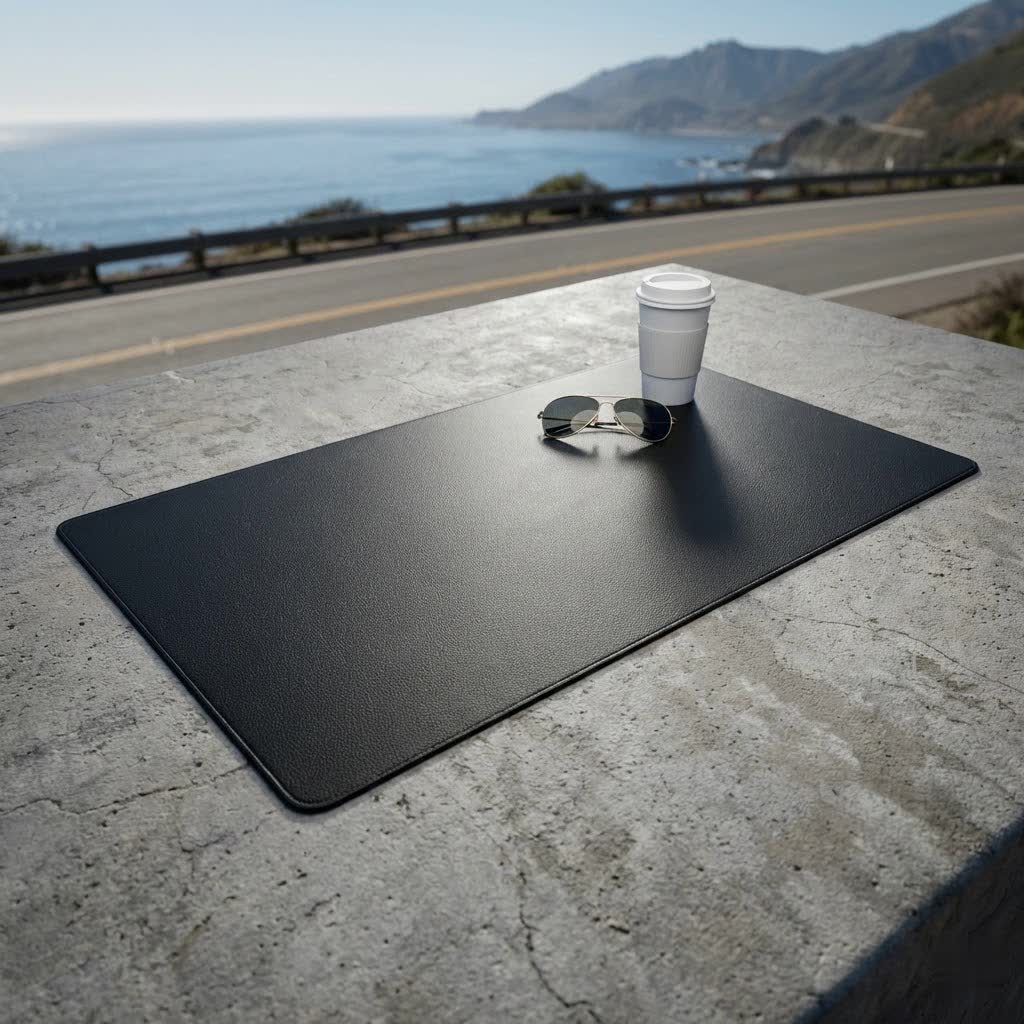
Desk Mat: The Perfect Solution for Your Workspace
A desk mat is essentially a large, protective pad designed to cover a significant portion of your desk where your computer, keyboard, and mouse reside. Far beyond a simple mouse pad, it creates a unified, comfortable, and protected surface that enhances your entire computing experience.
What is a Desk Mat and Why Do You Need It?
At its core, a desk mat serves as a buffer between your valuable desk surface and the daily wear and tear of computer use. It typically spans a larger area, accommodating your keyboard, mouse, and often a laptop or monitor stand. These mats come in a variety of materials and sizes, each offering unique benefits tailored to different needs and aesthetics.
The benefits of integrating a desk mat into your computer setup are numerous:
- Desk Protection: It shields your desk from scratches, scuffs, spills, and stains caused by keyboards, mice, drinks, and everyday objects.
- Enhanced Aesthetics: A well-chosen desk mat can instantly upgrade the look of your workspace, adding a touch of color, texture, and sophistication.
- Improved Comfort: The soft, cushioned surface provides a comfortable resting place for your wrists and forearms, reducing fatigue during long typing or gaming sessions.
- Optimal Mouse Performance: Most desk mats offer a smooth, consistent surface that allows for precise mouse tracking, often superior to a bare desk or a small mouse pad.
- Noise Reduction: The material can help dampen the sound of typing, especially with mechanical keyboards, contributing to a quieter environment.
- Workspace Organization: Some mats feature integrated organizational elements, like cable holders or hidden compartments, to keep your space tidy.
|
Our Picks for the Best Desk Mat in 2026
As an Amazon Associate I earn from qualifying purchases.
|
||
| Num | Product | Action |
|---|---|---|
| 1 | Felt Desk Mat - Computer Mat for Desk(36x12Inches) - Large Felt Mouse Pad and Keyboard Mat - Desk Protector for Office - Dark Gray |

|
| 2 | Desk Pad Blotter,Wolaile 36x17 in Large PU Leather Mouse Pad,Waterproof Non-Slip Writing Desktop Protector Mat,Office Desk Accessory,Brown |
|
| 3 | YSAGi Leather Desk Pad Protector, Office Desk Mat, Large Mouse Pad, Non-Slip PU Leather Desk Blotter, Waterproof Laptop Desk Writing Pad for Office and Home (23.6" x 13.8", Eggshell) |
|
| 4 | YSAGi Leather Office Desk Pad Protector, Large Mouse Pad, Non-Slip, PU Leather, Laptop Desk Blotter, Waterproof Writing Pad for Office and Home, Black, 23.6" x 13.8" |
|
| 5 | Aothia Non-Slip Waterproof PU Leather Desk Pad Protector for Mouse, Writing Desk, Office, Home, Laptop Blotter, 23.6" x 13.7", Black |
|
| 6 | QIYI Large Mouse Pad, Cute Pink Desk Mat for Desktop, Women Girls PU Leather Desk Pad Waterproof Gaming Mousepad, Rose Gold Marble Computer Protector Writing Pad for School Office Home 31.5" x 15.7" |
|
| 7 | Logitech Desk Mat - Studio Series, Multifunctional Large Desk Pad, Extended Mouse Mat, Office Desk Protector with Anti-Slip Base, Spill-Resistant Durable Design, in Mid-Grey |
|
| 8 | Premium Gaming Mouse Pad, Double-Sided PU Leather Stitched Edge Large Desk Pad 17.7x35.4 Inch, Waterproof Desk Protector for Home Office Gaming |
|
| 9 | Aothia Leather Office Desk Pad Protector, Non-Slip PU Leather Desk Blotter, Waterproof Laptop Writing Mouse Pad for Office and Home, Black, 31.5" x 15.7" |
|
| 10 | POUT TekDec Mat – Vegan Leather Desk Pad (31.5×13.4in / 80×34cm), Water-Resistant Surface, Anti-Slip Base, Scratch & Heat Protection, Multi-Functional Writing & Mouse Pad – Danish Black |
|
Popular Desk Mat Types on the Market Today
The market is rich with diverse desk mat options, primarily differentiated by their material composition. Understanding these types is key to selecting one that aligns with your specific needs.
Classifying Desk Mats by Material
The material of your desk mat significantly impacts its look, feel, durability, and maintenance requirements. Let’s explore the most popular options.
Leather and Faux Leather Desk Mats
Leather and faux leather mats exude a professional and sophisticated aura, making them a popular choice for executive offices and stylish home setups.
- Pros: They offer a luxurious feel, are highly durable, and are generally easy to wipe clean from spills. Faux leather provides a similar aesthetic at a more accessible price point and is often water-resistant. Genuine leather develops a unique patina over time, adding character.
- Cons: Real leather can be expensive and may show scratches more readily. Faux leather, while durable, might not offer the same longevity or natural aging process as genuine leather.
- Care and Cleaning: Typically, a damp cloth is sufficient for wiping away dust and spills. For leather, specific leather cleaners and conditioners can help maintain its luster and prevent drying.
Rubber and Silicone Desk Mats
These mats are celebrated for their practicality, grip, and resistance to everyday mishaps.
- Pros: Rubber and silicone mats are often budget-friendly, boast excellent non-slip properties, and are highly water-resistant, making them ideal for protecting against drink spills. They provide a cushioned surface, which is comfortable for extended use. Many also feature stitched edges to prevent fraying.
- Cons: Some new rubber mats might have an initial odor that dissipates over time. They can also attract dust more easily than smoother surfaces.
- Care and Cleaning: These are among the easiest to clean; simply wipe with a damp cloth or sponge, and mild soap if needed.
Fabric and Cloth Desk Mats
Fabric mats, including those made from polyester, microfiber, or felt, offer a different tactile experience and a vast array of design possibilities.
- Pros: They are soft and comfortable under the wrists and arms, come in an extensive range of colors and patterns to personalize your space, and can help absorb sound. Many fabric mats are quite affordable.
- Cons: Fabric mats are generally more prone to staining and can be harder to clean than their leather or rubber counterparts. Felt can pill over time, and some textured fabric surfaces might slightly affect mouse glide.
- Care and Cleaning: Depending on the material, some fabric mats are machine washable (check manufacturer instructions), while others require spot cleaning with a mild detergent. Regular vacuuming or shaking off dust is also beneficial.
Plastic and PVC Desk Mats
For a practical, no-fuss solution, plastic or PVC mats are a strong contender, often available in clear designs.
- Pros: These mats are typically water-resistant, very easy to clean with a quick wipe, and come at a very reasonable price. Clear options allow your desk’s original surface to show through while still offering protection.
- Cons: Some PVC products can have an initial chemical smell and may contain less eco-friendly materials. They might also feel less premium compared to leather or fabric options.
- Care and Cleaning: A simple wipe-down with a damp cloth and mild cleaning solution is usually all that’s required.
Cork and Linoleum Desk Mats
For those seeking natural materials with unique properties, cork and linoleum offer distinct advantages.
- Pros: Cork provides a firm yet natural feel with excellent grip, often used as a non-slip backing. Linoleum surfaces are smooth, durable, and excellent for writing, as they absorb pen pressure. Both can add an organic or minimalist aesthetic to your workspace.
- Cons: Cork can feel rough to some, and textured surfaces may not be ideal for all mouse types. Linoleum options can sometimes be less common or more specialized.
- Care and Cleaning: Generally, wiping with a damp cloth is sufficient. Avoid harsh chemicals that could damage the natural materials.
Table: Comparing Popular Desk Mat Materials
| Material | Pros | Cons | Price | Durability | Best Suited For |
|---|---|---|---|---|---|
| Leather | Luxurious, durable, easy to clean | High cost, can scratch | High | High | Premium setups, professional environments |
| Faux Leather | Stylish, water-resistant, easy to clean | Less breathable than real leather | Medium | Medium-High | Modern offices, versatile use, budget-conscious |
| Rubber/Silicone | Affordable, non-slip, waterproof, cushioned | Can attract dust, initial odor | Low | Medium | Gamers, high-traffic desks, spill protection |
| Fabric/Cloth | Soft, diverse designs, sound dampening | Stains easily, harder to clean, can pill | Low-Medium | Medium | Creative spaces, comfort-focused users, aesthetics |
| Plastic/PVC | Waterproof, very easy to clean, budget-friendly | Less premium feel, potential for off-gassing | Low | Medium | General office, temporary use, clear desk look |
| Cork/Linoleum | Natural feel, good grip, good writing surface | Can feel rough (cork), specific aesthetic | Medium | Medium-High | Eco-conscious users, minimalist designs |
Guide to Choosing the Right Desk Mat for Your Computer
Selecting the perfect desk mat involves more than just picking a color. Consider these factors to make an informed decision:
- Define Your Needs:
- Size: Measure your desk and consider what you want the mat to cover. Do you need space for just a keyboard and mouse, or an extended area for a laptop, monitor stand, and other accessories? Standard sizes range from small (mouse and keyboard) to extra-large (entire desk surface).
- Material Preference: Do you prioritize luxury (leather), grip (rubber), comfort (fabric), or easy cleaning (PVC)?
- Aesthetics: Choose a color and texture that complements your existing workspace decor.
- Set Your Budget: Desk mats vary widely in price based on material, brand, and size. High-quality genuine leather mats will be an investment, while fabric or PVC options are more economical.
- Research Reputable Brands and Suppliers: Look for brands known for quality and durability to ensure your investment lasts.
- Read User Reviews: Gain insights from other users’ experiences regarding durability, cleaning, mouse performance, and overall satisfaction.
Top Desk Mats in Demand Today
While specific products come and go, certain types and features consistently rank high in popularity for computer users:
- Extended Gaming Mats: Often made of smooth fabric with rubberized non-slip bases, these cover a vast area for maximum mouse movement and keyboard stability, favored by gamers.
- Premium Vegan Leather Mats: Offering the sophisticated look of leather without the animal product, these are popular for modern, minimalist office setups. Many include subtle organizational features like cable routing or hidden paper compartments.
- Felt and Wool Blends: For those who prioritize a soft, warm, and natural aesthetic, felt or wool blend mats provide comfort and sound dampening.
- Mats with Integrated Organization: Some innovative designs incorporate magnetic cable holders, document hideaways, or even wireless charging pads for a truly organized desktop.
Tips for Using and Caring for Your Desk Mat
To ensure your desk mat remains a cherished part of your computer setup for years to come, proper care is essential:
- Clean Regularly: Dust and debris can accumulate quickly. Wipe down your desk mat weekly with a dry cloth or a slightly damp one, depending on the material.
- Use Appropriate Cleaning Solutions: Always follow the manufacturer’s cleaning instructions. For leather, use specialized leather cleaners. For fabric, spot-clean or machine wash as directed. Avoid harsh chemicals that could damage the material or leave residue.
- Avoid Direct Sunlight: Prolonged exposure to direct sunlight can cause some materials to fade, crack, or warp over time.
- Store Properly: If you need to store your desk mat, roll it loosely rather than folding it to prevent creases. Store it in a cool, dry place away from extreme temperatures.
“A well-chosen desk mat doesn’t just protect your workspace; it’s a silent partner in your productivity, enhancing comfort and aesthetic appeal, transforming a mere desk into a personalized command center.”
Conclusion
A desk mat for your computer is a simple yet impactful upgrade that offers significant benefits, from protecting your valuable desk surface to enhancing comfort and elevating the overall aesthetics of your workspace. By carefully considering the material, size, and features that best align with your personal and professional needs, you can select a mat that not only safeguards your desk but also inspires a more organized and enjoyable computing experience.
Ready to transform your computer setup? Which material will best suit your style and workflow?
Frequently Asked Questions
What are the most common sizes for desk mats?
Desk mats come in various sizes to fit different desk configurations. Common dimensions include small (around 12×24 inches) for a mouse and compact keyboard, medium (18×36 inches) for a standard keyboard and mouse, and large or extended sizes (up to 24×48 inches or even wider) that can accommodate an entire computer setup, including monitors.
Which desk mat material is best for a home office?
For a home office, a faux leather or fabric desk mat is often recommended. Faux leather offers a professional look, is easy to clean, and durable, while fabric mats provide comfort, a wide range of aesthetic options, and can help with sound dampening. The choice often comes down to personal preference for texture and ease of maintenance.
How should I properly clean a leather desk mat?
To clean a leather desk mat, start by wiping it with a soft, dry cloth to remove dust. For spills, use a slightly damp cloth with mild soap, then wipe dry immediately. Avoid excessive moisture. Periodically, you can use a specialized leather cleaner and conditioner to keep the material supple and prevent cracking.
